
Best Time to Perform Umrah: Month-by-Month Guide for Pilgrims
7 min read
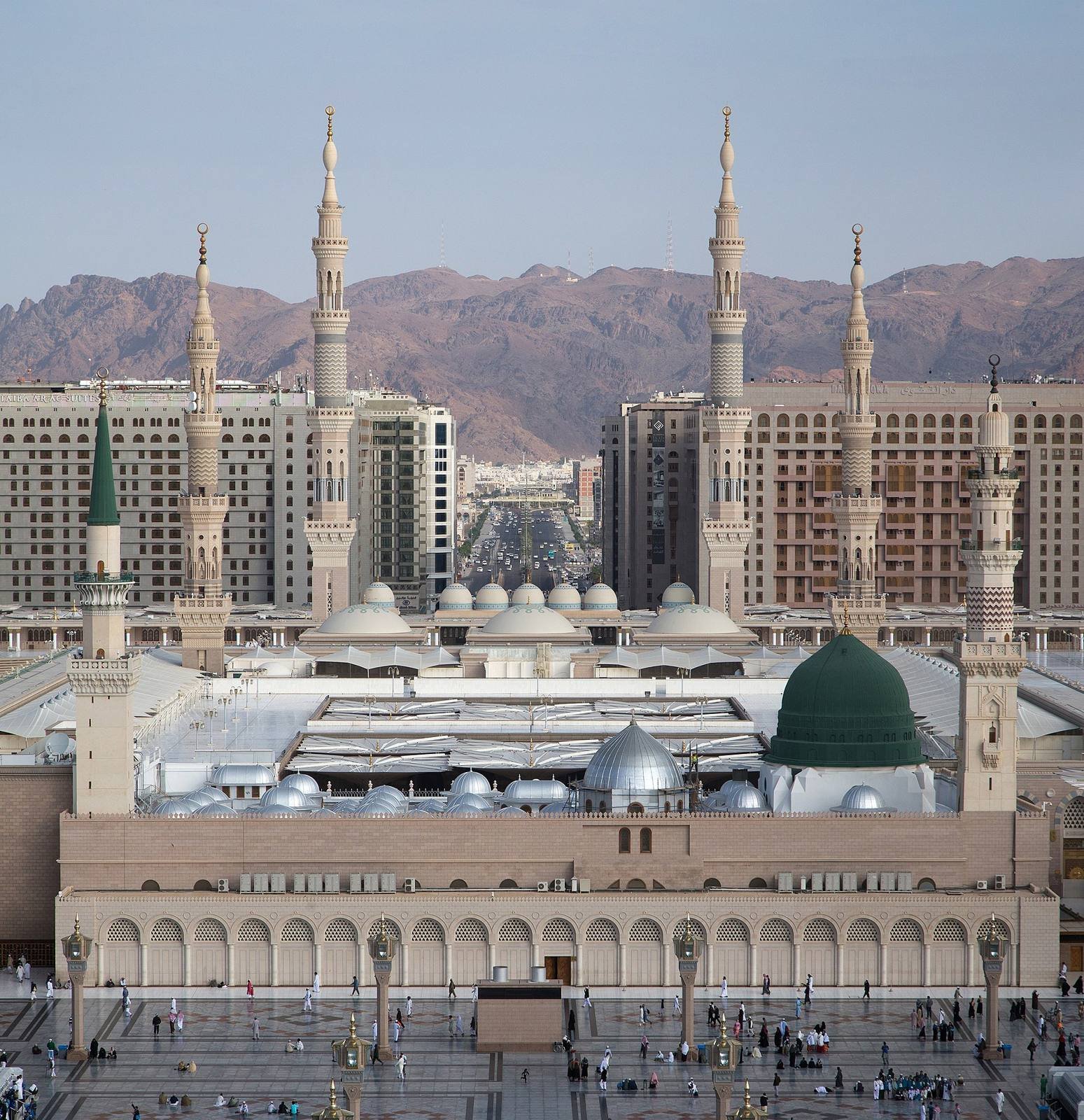
Ramadan carries the greatest reward but the highest crowds and prices, while November to February offers comfortable weather and shorter queues. Here is the full month-by-month comparison.
November to February — The Comfort Season
Daytime temperatures in Makkah sit between 22°C and 30°C, making Tawaf and Ziyarat comfortable for families and elderly pilgrims. Crowds are moderate and PKR package prices are close to their yearly low. This is our most recommended window for first-time pilgrims from Pakistan.
Ramadan — The Highest Reward
An Umrah in Ramadan carries the reward of a Hajj performed with the Prophet ﷺ. Expect the largest crowds of the year, Haram entry restrictions during the last ten nights, and package prices 40–70% above off-season. Book five to six months in advance for a Haram-view hotel.
Shawwal to Dhul Qa'dah — The Quiet Window
Immediately after Eid al-Fitr the Haram empties dramatically. Hotels drop their rates, Tawaf on the Mataf floor becomes easy, and Rawdah permits are simpler to obtain. Weather begins warming but remains manageable until late May.
June to September — The Hot but Cheap Season
Temperatures can exceed 45°C in Makkah. Prices are the lowest of the year and the Haram is air-conditioned, but outdoor Ziyarat is difficult. Suitable for younger, healthy pilgrims travelling on a tight budget. Umrah is suspended during the Hajj days of Dhul Hijjah.
School Holidays and Family Planning
Pakistani families often travel in December, in the summer break or during Ramadan. If you are travelling with children, prioritise a hotel within 300 metres of the Haram so you can return to the room between prayers.
Talk to an Umrah consultant
Share your travel month and number of travellers — we reply with a written quotation, not a sales call.