
Difference Between Hajj and Umrah: Complete Comparison Guide
5 min read
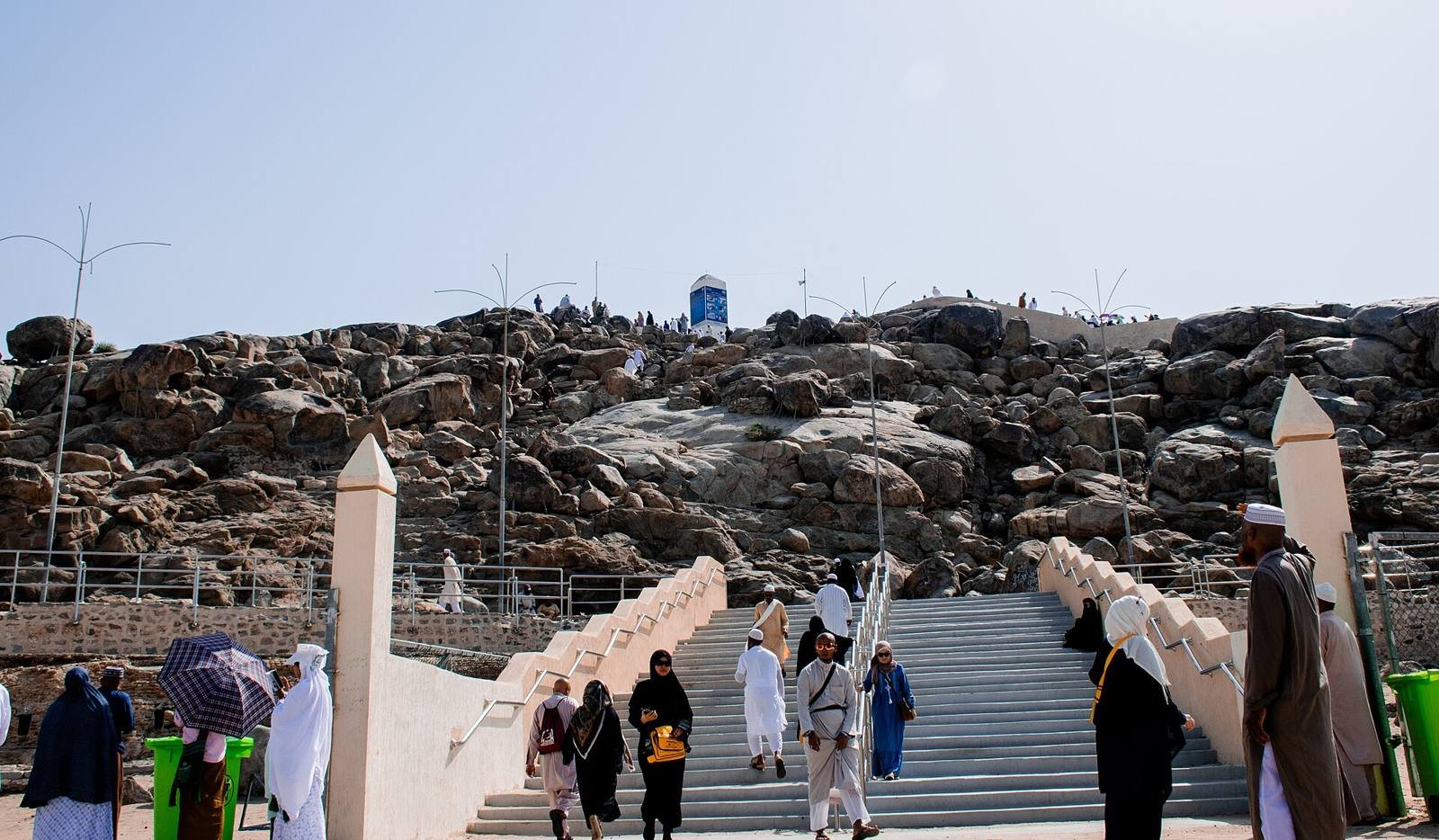
Both are journeys to the House of Allah, but they differ in obligation, timing and rites. This comparison makes the distinction clear.
Obligation
Hajj is the fifth pillar of Islam, obligatory once in a lifetime on every Muslim who is physically and financially able. Umrah is a highly recommended Sunnah that may be performed any number of times.
Timing
Hajj can only be performed on fixed days of Dhul Hijjah, from the 8th to the 13th. Umrah may be performed at any time of year except during those Hajj days.
Rites Involved
Umrah consists of Ihram, Tawaf, Sa'i and Halq or Taqsir. Hajj adds standing at Arafat, staying overnight at Muzdalifah, stoning the Jamarat at Mina, animal sacrifice and Tawaf al-Ifadah.
Duration and Cost
Umrah can be completed in a few hours and packages run 10 to 28 days. Hajj takes five to six days of rites within a 20 to 40 day package, and typically costs three to four times an equivalent Umrah trip from Pakistan.
Ready to look at the Hajj side in detail? Our guide to Hajj from Pakistan.
Talk to an Umrah consultant
Share your travel month and number of travellers — we reply with a written quotation, not a sales call.